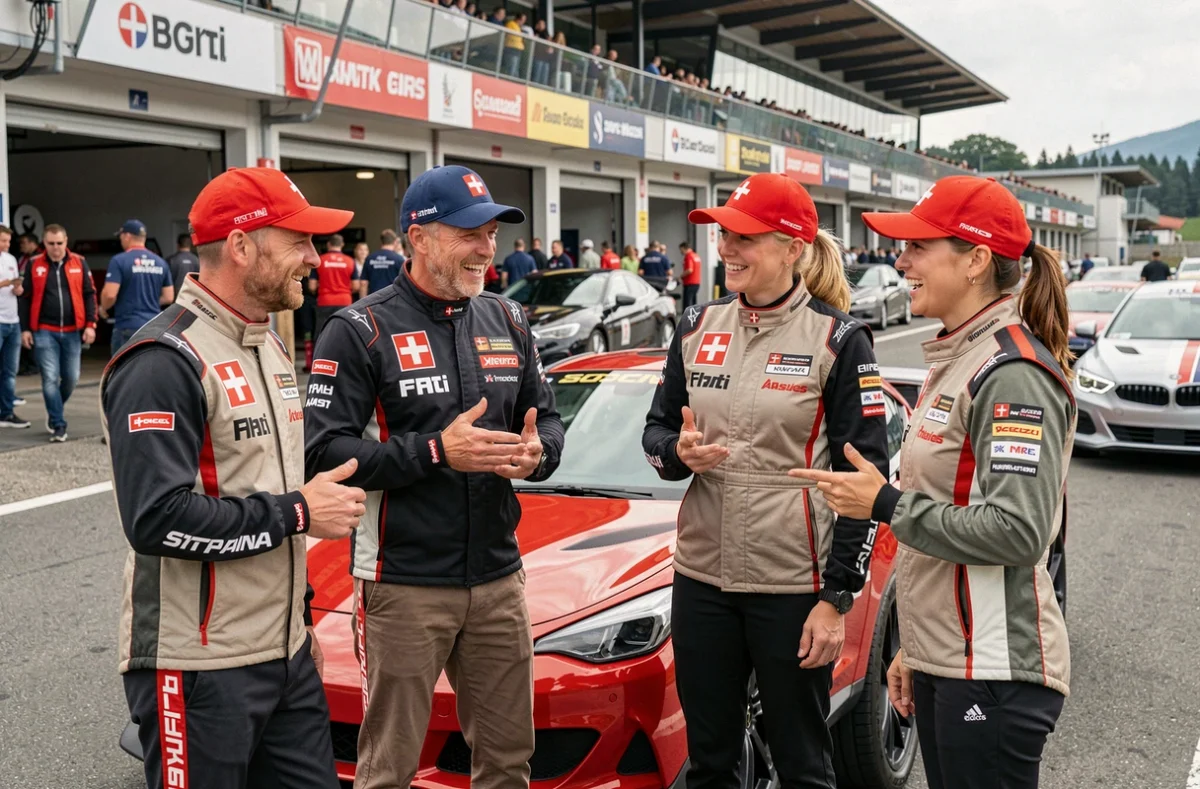
An automotive community, in an operational sense, refers to a structured group of enthusiasts who share resources (event calendars, technical reports, access to tracks or simulators) around a common interest in competition or mechanical culture.
In Switzerland, this definition takes on a particular dimension: the compact territory, the density of represented brands, and the tradition of hill climbs create an ecosystem where meeting formats multiply far beyond the simple gathering of cars in a parking lot.
Sim racing and the Swiss automotive community: a game-changing format
Sim racing is no longer limited to a solitary pastime in front of a screen. Swiss organizations now offer organized sessions for companies, birthdays, bachelor parties, or club outings, complete with rankings, timing, and reports published after each race.
This format addresses a concrete constraint: accessing a physical track in Switzerland remains costly and regulated. Permanent tracks are rare in the territory, and track days often involve traveling to France, Germany, or Italy. Sim racing removes this geographical and financial barrier.
The community forming around Racing Fans illustrates this convergence between digital passion and physical meetings. Enthusiasts who discover motorsport through simulation eventually join events on track, and vice versa. Sim racing acts as a gateway to a broader network, not as a substitute.
Hill climbs and slaloms: local sociability at the heart of the Swiss calendar
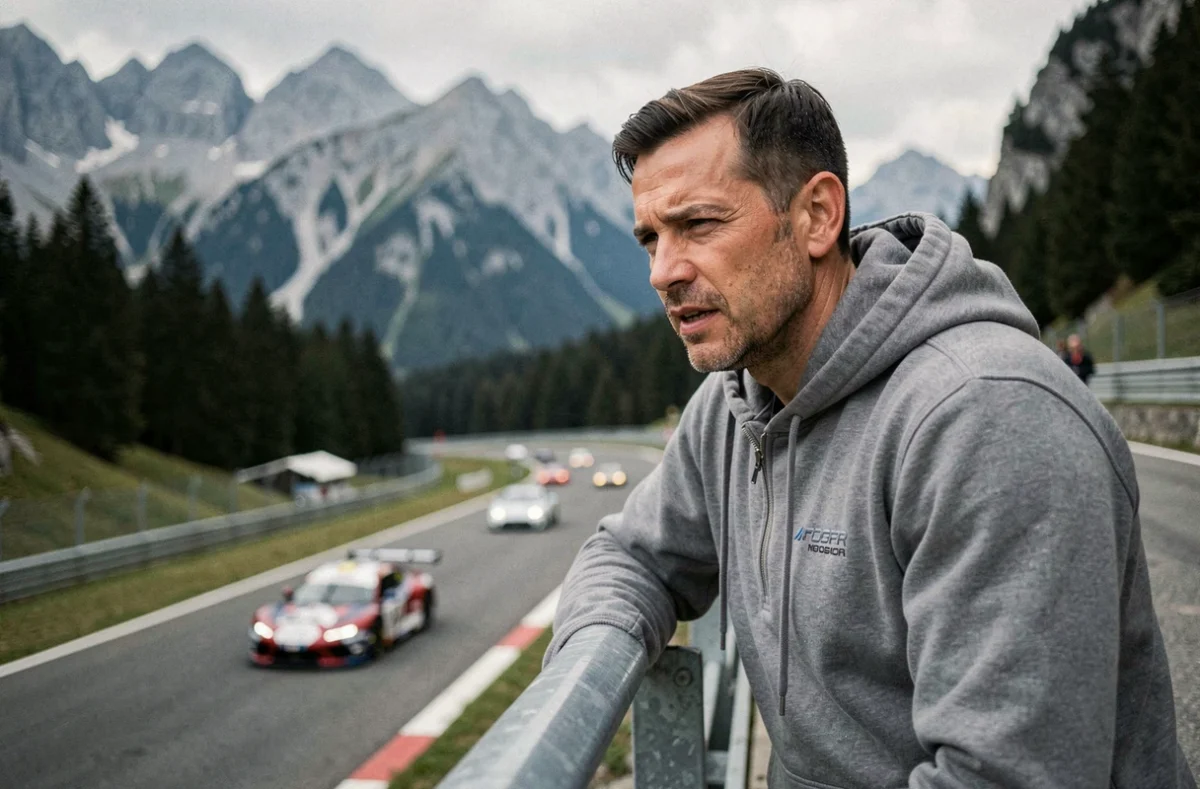
Swiss automotive calendars are not limited to timed competitions. Several hill climb events and automobile slaloms function like village festivals, featuring local entertainment, food, and free access for spectators.
The Racing Club Airbag, for example, structures its annual calendar around this dual aspect: sports competition on one side, popular event on the other. This approach anchors automotive passion in a logic of regional tourism and local sociability.
For participants, the difference with a classic track day is notable:
- Hill climb events take place on temporarily closed roads, eliminating the cost of renting a private track
- The local public mingles with drivers and teams, creating a mix not found in closed events
- The vehicles involved range from prepared production cars to prototypes, broadening the spectrum of concerned enthusiasts
This event model remains specifically Swiss in its form. The tradition of alpine hill climbs dates back several decades, and their continuation directly depends on cantonal and municipal permits.
Beyond premium brands: the diversification of automotive cultures in Switzerland
The Swiss automotive scene is not limited to the Porsches, BMWs, or Lotuses that dominate prestige gatherings. Structured communities around specific automotive cultures are emerging with their own codes and calendars.
The Japanese Car Meeting, documented by Open Air Tours for September 2026, illustrates this diversification. This type of gathering brings together owners of Japanese vehicles (sports, modified, or collectible) in a setting that emphasizes visual and technical culture rather than market value.
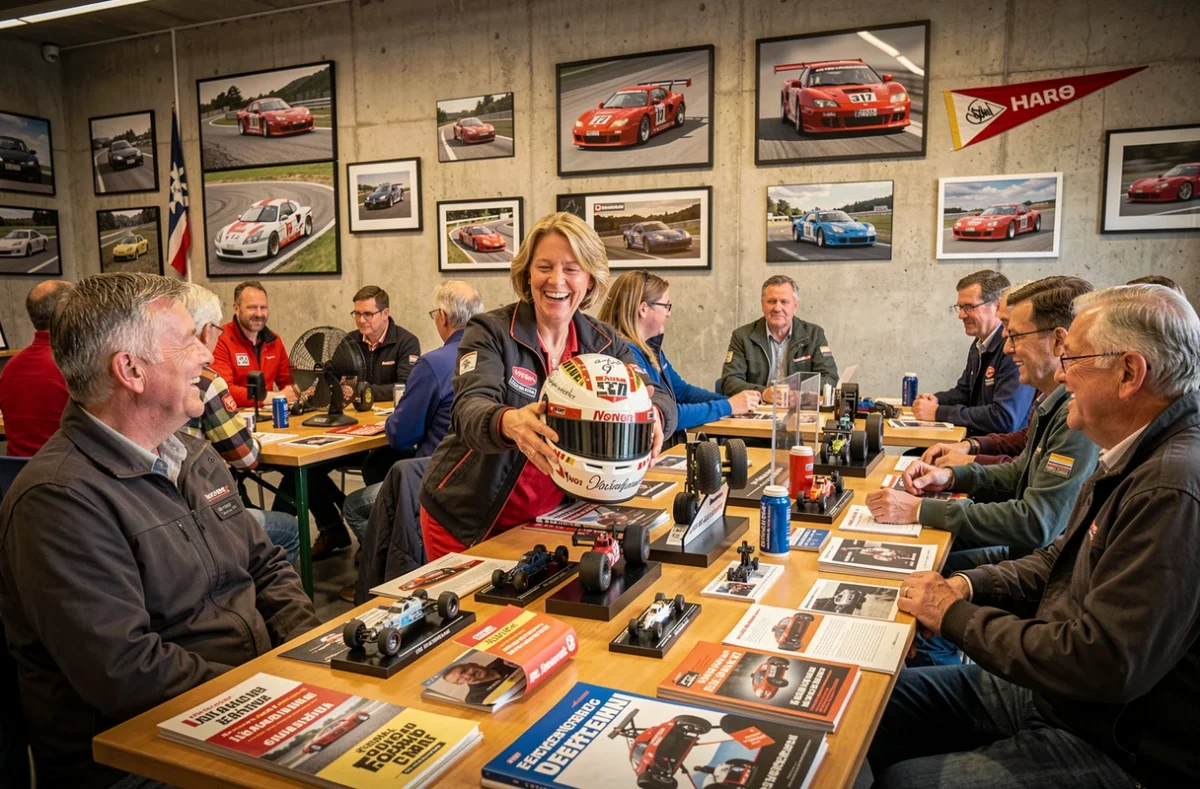
This evolution has a direct consequence on the composition of communities. An enthusiast driving a prepared Subaru or a competition Honda Civic now finds dedicated meetups, where they previously had to attach themselves to events focused on European GTs.
Heritage and oldtimers in the community landscape
Gatherings of vintage vehicles hold a special place in the Swiss automotive scene, with an active network of collectors and restorers.
Automotive heritage unites a community distinct from pure performance enthusiasts. The judging criteria focus not on lap times but on the authenticity of the restoration, the rarity of the model, or the vehicle’s history. The two worlds intersect during classic rallies, which combine tourist routes and the presentation of collectible cars.
Automotive meeting formats: what structures an active community
A one-off gathering is not enough to create a community. What distinguishes an active network from a simple isolated event are recurring formats and follow-up tools.
- Cars & Coffee offers regular low-commitment meetups (no formal registration, no fees), lowering the entry threshold for newcomers
- Sim racing leagues publish cumulative rankings over several months, fostering participant loyalty beyond a single session
- Specialized forums allow for spontaneous outings and sharing of technical feedback between events
The combination of these formats, from the most informal (a morning coffee among enthusiasts) to the most structured (a simulation league with annual rankings), creates a network that maintains community activity between major seasonal events.
The Swiss territory promotes this density of formats due to its compactness. An enthusiast based in Zurich can join a slalom in the Central Alps, a Japanese gathering in Romandy, or a sim racing evening in Bern without distances becoming a logistical obstacle. It is this geographical accessibility, combined with the diversity of represented automotive cultures, that gives the Swiss scene its unique density.