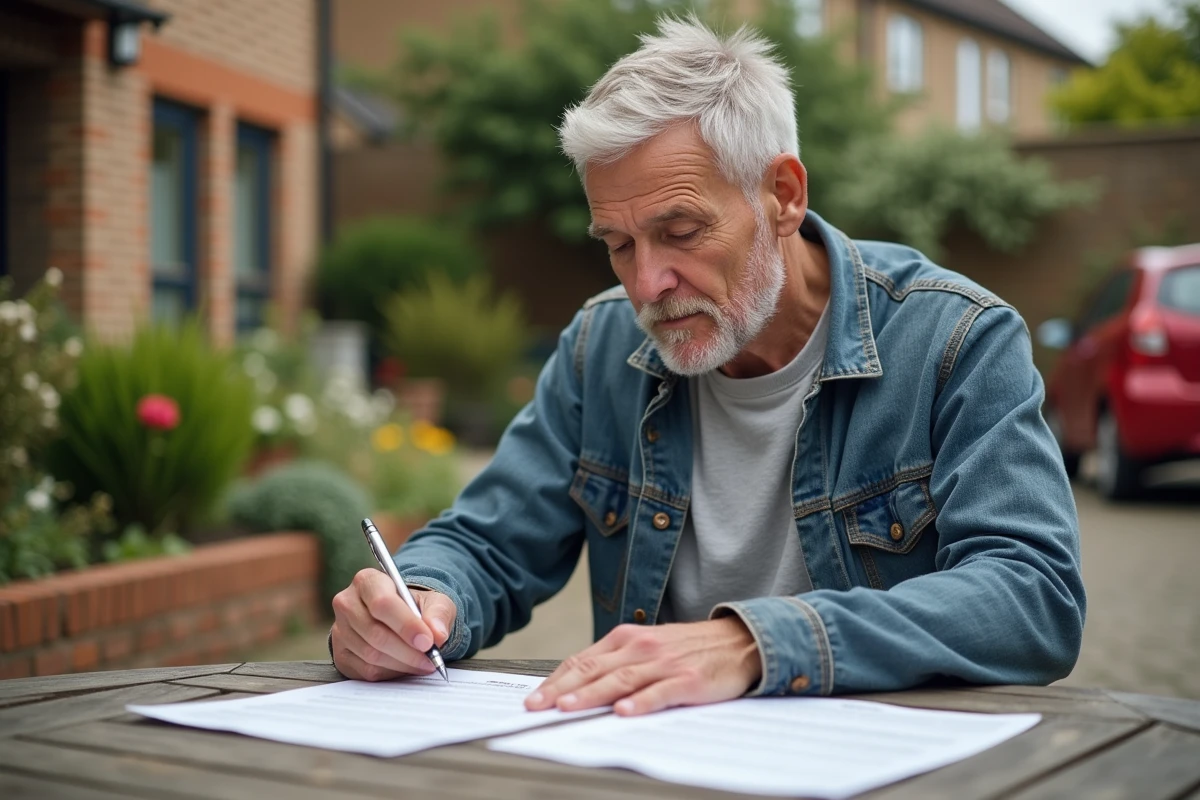
An incomplete file systematically leads to the rejection of the authorization request for the renovation of a courtyard. Some municipal regulations require prior consultation with the neighborhood, while others demand a formal opinion from an architect of the Bâtiments de France. The development tax may apply even to surfacing work on private land, depending on the municipality.
The response times from the administration vary from two weeks to several months. The permitted tar sealing techniques differ based on the type of soil and the proximity to protected natural areas. Specific criteria govern the choice of materials and the management of rainwater.
Tar sealing your courtyard: what rules and obligations to know before starting?
Before considering any order for materials, one must thoroughly examine the local urban planning plan (PLU) of their municipality. This document, often overlooked, details the urban planning rules that apply to each plot. In certain areas, total tar sealing is prohibited; elsewhere, the use of a permeable surface such as drainage asphalt becomes essential to limit soil impermeabilization. The regulations also vary according to the surface to be treated: small area or large courtyard, the threshold set by the municipality determines the type of declaration to be submitted. A simple preliminary declaration may suffice for a small project, but beyond a certain area, the process becomes more complex.
It is also necessary to take into account the co-ownership regulations or check for the existence of a servitude. These constraints, mentioned in the documents provided by the notary or available from the property manager, may limit or frame the work. Furthermore, the Civil Code establishes strict rules regarding rainwater drainage: it is impossible to discharge water onto a neighbor’s property. An effective rainwater management system, such as gutters or a carefully studied slope, should therefore be planned from the design stage.
No owner can escape the obligation to request authorization to tar seal their courtyard. Failing to do so exposes them to a fine and the obligation to restore the premises. The municipality monitors each project: compliance, integration into the urban landscape, respect for local constraints. The choice of type of surface, asphalt, two-layer tar sealing, bituminous concrete, directly influences the technical requirements to be met. Taking these rules seriously helps avoid costly conflicts and ensures that the project fits harmoniously into its environment.
What steps to obtain authorization to tar seal a courtyard or driveway?
Before considering any courtyard tar sealing project, the first step is to contact the municipal urban planning department. Each municipality establishes its own rules, under the guidance of the local urban planning plan (PLU), which precisely delineates what is allowed or not. A preliminary declaration of work is required in the majority of cases, but for surfaces exceeding 20 m² or plots subject to specific requirements, the request becomes more complex.
To present a solid file, certain specific documents must be gathered:
- the Cerfa form corresponding to the preliminary declaration of work,
- a location plan and a detailed site plan showing the location of the tar sealing,
- sketches, sections, or simulations of the final appearance of the surface,
- if applicable, the quote from the selected company.
The submission of the file can be done in person at the town hall or, if the municipality offers it, via the digital counter for urban planning permits. Once received, the request goes to the urban planning department, which checks the project’s compliance with local urban planning authorizations. Generally, the processing time is one month for a preliminary declaration. If the administration does not respond within this timeframe, the lack of response constitutes tacit acceptance, but it is advisable to keep the acknowledgment of receipt carefully.
In the presence of a co-ownership regulation, it is also necessary to obtain the agreement of the property manager. Easements and subdivision prescriptions may sometimes add additional constraints, particularly regarding the choice of surface or rainwater management. It is better to verify everything before signing a quote or starting the work.

Practical advice, technical choices, and budget estimation for a successful project
Before starting a courtyard tar sealing, it is wise to analyze the nature of the soil. A well-prepared base makes all the difference: careful excavation, laying a geotextile to limit weed regrowth, and precise compaction. Rainwater management must be anticipated from the outset. Plan for an appropriate slope and, if necessary, install gutters or borders to prevent uncontrolled runoff.
The choice of surface determines the longevity and final appearance of the courtyard. Traditional asphalt, a mixture of bitumen, gravel, and sand, offers robustness and durability. Drainage asphalt is appealing for its ability to allow water to pass through, thus reducing puddles and preserving the structure. For smaller budgets, two-layer tar sealing, an alternation of binder and gravel, proves to be a reliable alternative. Other solutions exist: gravel surfacing, concrete slabs, or resin, each with its advantages, technical constraints, and aesthetic results.
Regarding the budget, prices vary according to the surface area, the chosen technique, and the complexity of additional arrangements. To obtain a courtyard tar sealing price, expect to pay between 25 and 60 euros excluding VAT/m², excluding excavation, depending on the type of asphalt chosen. Request several quotes from professionals, construction companies or earthmoving contractors, insisting on details for each item: preparation, supply, installation, water management. In some cases, a reduced VAT rate applies, particularly if the house is more than two years old.
Ultimately, tar sealing your courtyard is not a matter of improvisation. Preparing each step rigorously, surrounding yourself with the right contacts, and anticipating local constraints is the key to transforming a simple courtyard into a functional, durable space that is perfectly integrated into the urban landscape. Tomorrow, your courtyard could very well become the showcase of a flawlessly executed project.