
Some composite materials exhibit moisture resistance and climate variation that surpasses that of solid wood or traditional plastic. Yet, their adoption remains limited in outdoor design, despite proven long-term performance.
Garden furniture professionals are beginning to report notable differences in durability from one product to another, raising the question of choosing the right material according to the intended use. In this context, user feedback proves crucial for assessing the reliability of each option.
Duraboard, a material that intrigues for garden tables
As garden furniture is being rethought, duraboard stands out for its unique character. Its design is based on wood sourced from sustainably managed forests in the United Kingdom, a commitment showcased by the FSC label. This choice prioritizes short supply chains, limits carbon footprint, and supports local activity, particularly in the Highlands. Beyond its traceability, the material asserts itself as a real alternative to plastic and traditional composites, often synonymous with rapid degradation and questionable environmental impact.
The garden tables made from duraboard are appealing for their understated look, sturdiness, and ease of maintenance of their surface. Their dimensions, designed to fit both a small balcony and a large garden, meet the expectations of today’s outdoor spaces. Some models adopt modular wooden structures, allowing for varied uses: outdoor dining, reading nook, or even a summer workspace. This versatility, combined with the material’s stability, significantly expands the range of possibilities.
However, it is primarily questions of resistance and longevity that come up in discussions. Professionals observe performance over several years, while individuals turn to reviews on duraboard to make an informed choice. Experiences, often detailed, confirm that the material retains its appearance even after several winters, highlighting an ecological dimension rarely achieved in the world of outdoor furniture.
What are the strengths and limitations of Duraboard compared to other materials?
The garden table made of duraboard convinces with a balance between durability and ease of maintenance. The surface, featuring a uniform finish, withstands everyday scratches. Its design, intended to face rain and sun, can be easily cleaned with clear water, without harsh chemicals. The dimensional stability of duraboard ensures a lifespan significantly longer than that of many composites, which are often prone to deformation.
Behind these performances lies FSC-certified wood, sourced from carefully managed forests, treated with a water-based preservative (Wolmanit CX-10), which is much less harmful than standard treatments. The recycled plastic dowels, along with the reuse of wood shavings, contribute to a local circular economy dynamic: the residues are used to produce pellets for biomass boilers, thus reducing the impact on wildlife and global climate.
However, a few points of attention emerge. The lightness of the surface, highly appreciated during assembly, requires a minimum of caution in strong winds. The dimensions of the products, calibrated for the greatest number, may limit options for very specific arrangements. In terms of color, black, chosen for its discretion, requires regular maintenance to avoid the appearance of marks, especially during the dry season.
The provided documentation details the package dimensions and weight upon delivery. Users who value environmental impact praise the overall coherence of the product but sometimes regret the limited range of colors or finishes, a downside for those seeking extensive customization in their outdoor furniture.
User feedback: what users really think about Duraboard
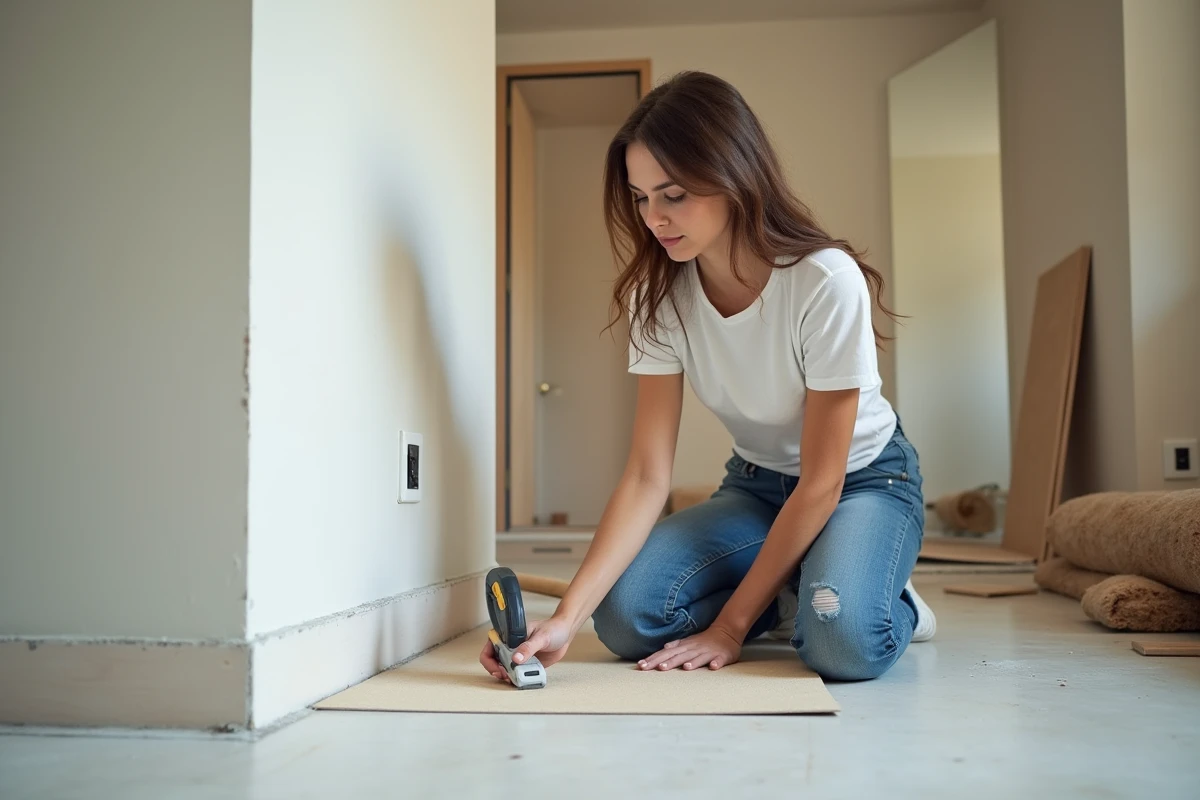
From the moment the package is opened, one thing stands out: the assembly is accessible. Feedback highlights the clarity of the instructions: clear diagrams, detailed indications on the product and package dimensions, each element has its place, without surplus or unnecessary packaging. Quick assembly is often mentioned, even for those not accustomed to garden furniture.
The robustness of duraboard also receives much mention. The surface withstands impacts, resists moisture and temperature variations. Some users, located in humid regions or on exposed terraces, note that the material holds up well over several seasons. Others appreciate its low sensitivity to scratches, even during lively outdoor meals. Regarding lightness, the ease of moving the table from one corner to another is seen as a real plus for those who enjoy rearranging their space.
The sleek design garners approval: uniform color, matte surface, clean lines. A few people regret the limited color choices, but the visual coherence wins general approval. On the maintenance side, most highlight the practicality of simple water cleaning, without resorting to chemical products.
Here are the most common takeaways from shared experiences:
- Clarity of the instructions and ease of assembly
- Durability of the surface and longevity
- Maintenance reduced to the strict minimum
These testimonials reveal a growing demand for products that combine simplicity, robustness, and respect for the environment. Duraboard tables, with their coherent approach and versatility, are firmly rooted in this trend, redefining the codes of garden furniture and giving outdoor spaces a sustainable look without sacrificing elegance.