
More than 60% of the renovation materials used in our homes are made from synthetic components. After a few years, many end up in the incinerator or accumulate in landfills, with recycling remaining marginal. This scenario disturbs the peace of homeowners, and habits are changing: there is a hunt for dubious solvents, meticulous sorting of glues, and questioning of undesirable substances. We are no longer satisfied with superficial solutions: the entire industry is being rethought. The rise of natural paints, once niche, confirms this: their use has jumped by 18% in just two years. The same story applies to furniture: responsible design is becoming the norm, labels are multiplying, and creativity is back at the center of the game. This movement is no longer a fleeting trend; it is now shaping the way we envision our living spaces, and not just on the surface.
Eco-responsible decoration: what really matters
Choosing an eco-responsible decoration means questioning materials one by one. Their origin, manufacturing methods, composition: every step is under scrutiny. At the Maison & Objet stands, environmental requirements do not stifle creativity; they energize the process. Sourced materials, increased vigilance throughout the entire life cycle, strict requirements on components: the codes of decoration are changing. Traceability is becoming the norm. The ambiguity surrounding ingredients and processes is gradually fading, while trust, albeit cautiously, is growing. At Ecomaterials Corner, regenerated fabrics and elegant repurposing nourish thoughtful choices, far from meaningless fashion trends.
Actors like Re’Up, Studio Surplus, Les Canaux, and Les Résilientes are putting these changes into action. Rather than throwing away what exists, they transform, repair, and circulate. For Lionel Jadot, restoration must precede any desire to produce. Thus, new items are only manufactured when no serious alternative can be found. The logic is no longer that of disposable furniture: the focus is on longevity, reparability, and transmission.
Here are some guidelines to go further without falling into excess:
- Favor natural materials, bearing labels like FSC or PEFC for wood, and choose linen or organic cotton for textiles.
- Examine the presence of recognized labels to ensure a responsible and transparent approach.
- Turn to local craftsmanship or give a second life to a second-hand item: this reduces transportation distances and strengthens the connection to the territory.
If you are looking to expand your ideas or explore successful projects, simply discover the Maison Future Co website.
Now, an eco-responsible decoration does not seek to align with seasonal trends: it is its ability to last, be repaired, and be passed down that takes precedence. When a piece of furniture or a lamp designed with this priority is integrated into the home, it enriches the history of the place, far from standard furniture destined for rapid exhaustion.
Materials and tips: how to shape a sustainable and healthy interior?
Making informed choices begins with the right certifications, such as FSC or PEFC labels to ensure responsible forest management of wood. Today, natural fibers like linen, hemp, and organic cotton are replacing synthetics. And for walls, a natural paint, such as the Pure & Paint range, contributes to healthier indoor air while proving to be more durable.
Upcycling is becoming a staple in renovation projects. For example, one can reinvent an outdated dresser, create new shelves from unused cladding, or draw inspiration from the creations of Studio Surplus. The team at Re’Up excels in the art of revealing the hidden potential of forgotten objects. It is no longer about buying everything new: we personalize, we reuse… and the home gains in uniqueness.
To navigate the multitude of labels, some guidelines help to move forward with confidence: GOTS to certify organic textiles, OEKO-TEX to banish questionable substances, European Flax™ to identify linen grown in Europe. Other avenues open up with rattan, bamboo, recycled glass, cork, and ceramics: all materials to vary styles coherently.
Changing the way we decorate makes a big difference. The “slow deco” logic encourages taking time, prioritizing carefully chosen details over accumulation, and valuing quality over quantity. Integrating a stylish composter, like the one from Néma, directly in the kitchen makes a difference. Switching to homemade cleaning products reduces one’s footprint and takes care of those who inhabit the space. Gradually, the air becomes better, and energy consumption decreases.
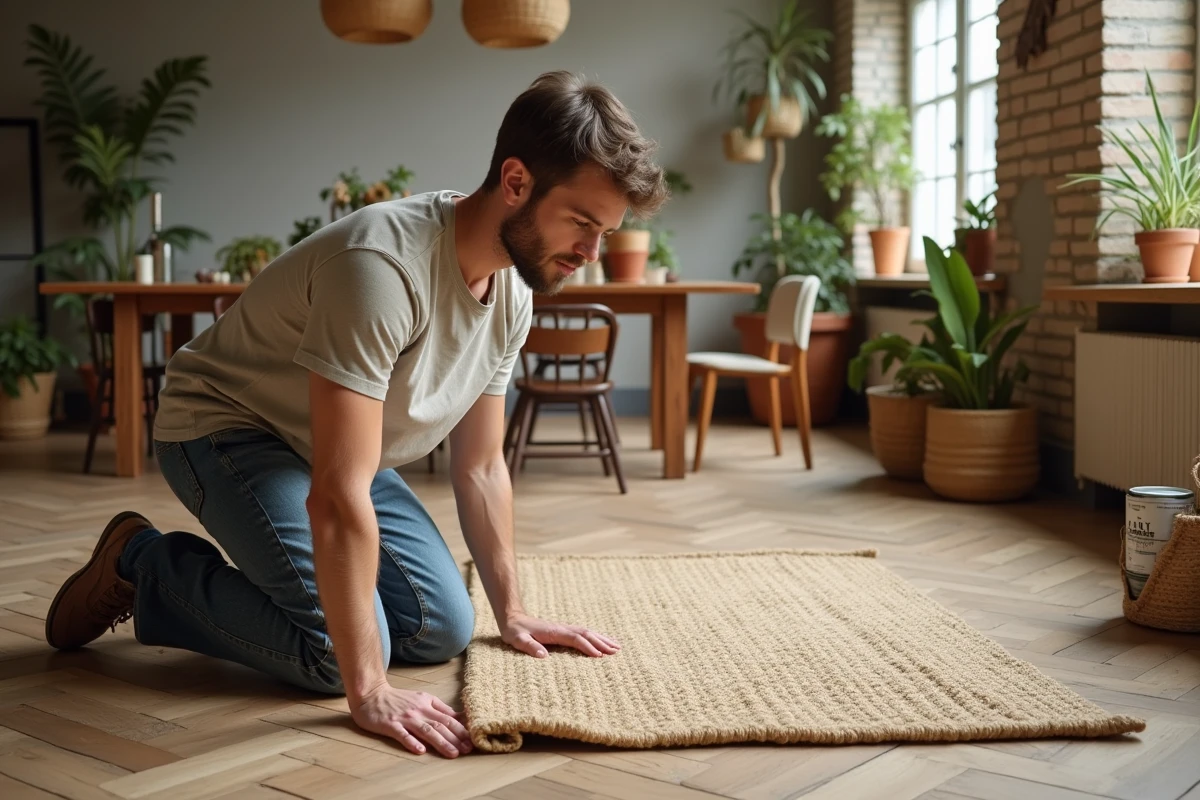
Concrete ideas to transform your home without burdening the planet
Creating a unique interior without excess means choosing each material for what it truly brings: the warmth of bare wood, the simplicity of thick linen, the unique vibration of artisanal ceramics. In terms of renovation, natural insulation is essential and combines well-being, long-term savings, and the beauty of the gesture, without compromising aesthetics.
Striking examples: an old buffet revitalized with plant-based paint, a thrifted door that becomes a headboard, repurposed crates turned into a bookshelf. It is these attentions, accumulated over time, that transform spaces and tell a personal story. The overall effect is felt: an extra soul emerges between the walls.
Every action carries weight. Positioning furniture to allow more natural light, prioritizing smart ventilation, opting for effective insulation, adopting the rhythm of changes rather than hasty accumulation: balance finds its place according to each person’s pace.
A sheet chosen for its origin, a unique piece recovered from a resource center, an aesthetic composter that finds its place, family dishes updated… All these small changes shape a home aligned with its values. Evolving one’s habitat is a step away from the disposable logic, allowing each object to leave its mark over several seasons, far from the volatile renewal of store displays.