
The counter shows zero, the living room carpet doesn’t vibrate, yet it’s here that many transformations begin: on the stationary bike, far from the noise of weights and the gazes in the gym. Regular training on a stationary bike can increase the basal metabolism, even at rest, contrary to some misconceptions about calorie expenditure. However, the majority of users underestimate the impact of intensity and consistency on weight loss. Recent studies highlight that planning sessions and managing nutrition play a crucial role in achieving goals. Adjusting settings, varying exercises, and monitoring progress sustainably transform the results seen on the scale.
Why the stationary bike is appealing for weight loss
No need to be a seasoned athlete or invest in expensive machines to benefit from the stationary bike. Accessible, it supports those who want to get back into shape or maintain good physical condition at home, away from the constraints of gym hours. The stationary bike is reassuring: it protects the joints, guards against injuries, and is perfect for a comeback after an injury or for anyone looking to regain mobility, step by step.
At the steady rhythm of pedaling, legs, abs, and even the back are gradually sculpted. A few weeks are enough to see the silhouette transform, while energy increases and cellulite diminishes. Depending on the involvement, the arms also come into play, useful for building endurance and varying efforts.
For those who want to go further, discover other strategies, or maintain motivation, more effective tips can be found on the L’Esprit du Sport website.
What adjustments and routines promote sustainable weight loss?
Adjusting the bike is the foundation of any progress. Take the time to set the seat and handlebars according to your body type, to avoid unnecessary tension that could spoil the enjoyment or regularity of your sessions.
To establish good benchmarks and progress without exhausting yourself, a few simple principles apply:
- Do sessions of 20 to 45 minutes. The exact duration doesn’t matter; it’s the frequency that pays off in the long run.
- Opt for two to four training sessions per week, if possible at fixed times. This discipline turns practice into a solid habit.
- Try interval training (alternating between fast phases and recovery) to energize the workout and burn more calories without falling into monotony.
Nutrition supports the efforts of the bike. A slight caloric deficit accompanied by a varied diet makes all the difference, without unnecessary frustration. Many turn to apps to track their progress, adjust the pace, or visualize changes, motivating them day after day as the numbers start to move.
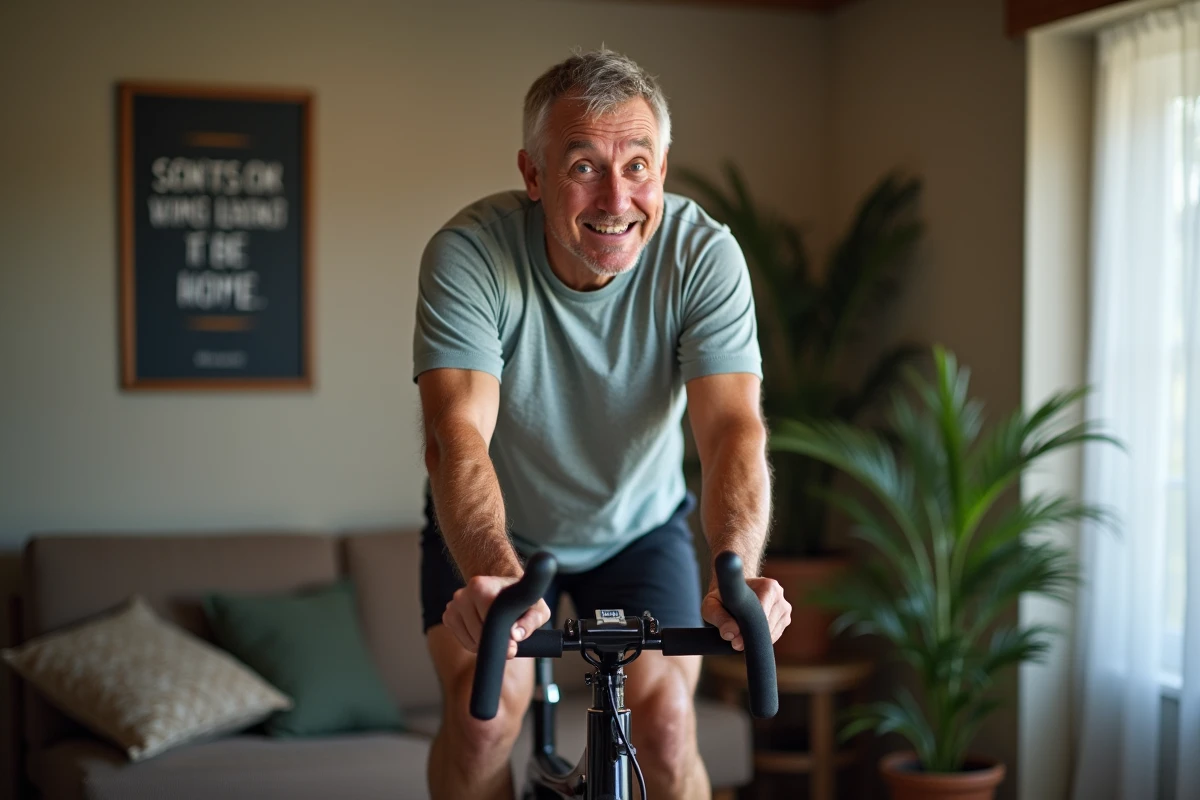
Concrete tips to turn your motivation into visible results
Transforming each workout into a milestone, keeping track of advancements, adjusting resistance or duration: it’s in this regular discipline that weight loss takes root. Gradually, endurance increases, the number of calories burned rises, and initial motivation gives way to a form of rigor that bears fruit.
In each session, several muscle groups are actively engaged. To better visualize the impact of the effort, the details of the areas involved deserve attention:
- The quadriceps, hamstrings, calves, glutes, and thighs form the engine of the action, present with every pedal stroke.
- Maintaining posture involves the abs, back, and arms, to ensure stability and balance.
A principle often reiterated by experienced coaches, such as Arthur Placenti, is to advance step by step, prioritize repetition, and gradually increase resistance rather than seeking immediate performance. This is how results last.
To clarify things, here is a summary table that demonstrates muscle engagement during each session:
| Muscle Area | Engagement on stationary bike |
|---|---|
| Legs, thighs, glutes | Engaged in every session |
| Abs, back | Stabilization and posture |
| Arms | Support and balance |
Gradually, a new dynamic sets in: the waist tightens, breathing lengthens, and the fatigue of yesteryear gives way to unexpected vitality. Progress accumulates, and over time, this bike that once sat in a corner becomes a testament to a body that renews itself, a little more with each session.