
The search for a Zara dupe on Shein is not just about typing the name of a piece into the search bar. Shein’s algorithms index products based on technical descriptors (cut, texture, pattern) rather than by reference to the copied brands. Finding an equivalent piece requires mastering the product vocabulary used internally by the platform and knowing how to read the subtle signals in the product listings.
Decoding Shein’s product descriptors to target a Zara style
Shein never displays “Zara dupe” in its listings. The internal search engine works by attributes: collar type, length, material, silhouette. To find an oversized Zara blazer, we recommend searching by a combination of technical terms (“blazer drop shoulder”, “longline blazer”, “notched lapel”) rather than by generic name.
The same logic applies to dresses. A Zara dress with a high collar and puff sleeves can be found by filtering “mock neck”, “puff sleeve”, “midi length” on Shein. Translating the Zara piece into technical attributes reduces noise in the results and brings up the closest items in cut.
This translation work involves analyzing the Zara product listing before switching to Shein. We have compiled tips for spotting a Zara dupe on Shein that detail this attribute matching method.
Shein’s filters by color, fabric, and style then allow for further refinement. Filtering by “polyester blend” or “cotton” based on the material of the original Zara piece eliminates items whose drape will be too far off.

Advanced filters and seller codes on Shein: exploiting catalog loopholes
Seller codes are the fastest method to access thematic selections. Some accounts on Reddit or TikTok share alphanumeric codes (for example, “5RJYZ”) to enter directly into the Shein search bar. These codes link to user-curated collections, grouping pieces that reflect the Zara aesthetic.
This approach bypasses the limitations of the traditional search engine. A seller code points to a fixed list of pre-selected items, avoiding the need to navigate through dozens of pages of irrelevant results.
Leveraging customer reviews and buyer photos
Sorting by the number of reviews works as an indirect quality filter. An item with several hundred reviews and buyer photos allows you to verify the actual drape of the garment, color fidelity, and finish quality.
- Favor items with photos worn by customers of varied body types, as Shein’s studio photos use lighting that alters the appearance of fabrics
- Read reviews mentioning the weight or thickness of the fabric, as the Shein product listing rarely provides this information reliably
- Check the consistency of sizes in the comments: if several buyers report a size discrepancy, it is a more reliable indicator than the official size guide
Recent items (less than three months old) with few reviews are riskier. We observe that the most faithful dupes quickly accumulate positive feedback, as satisfied buyers spontaneously share their finds.
Redirected hashtags and visual search: off-platform channels
Since 2024, content creators specializing in Zara dupes are increasingly avoiding the term “dupe” in their posts. TikTok and Instagram’s moderation policies have pushed towards workaround hashtags: #zfinds, #elevatedbasics, #quietluxury now replace #zaradupe to maintain post visibility.
This shift has a direct consequence on search. To find the best recommendations for Shein pieces inspired by Zara, you now need to search for these redirected hashtags rather than explicit terms. The hashtag #sheinhaul remains productive, but the most curated selections are hidden under less obvious names.
Reverse image search on Shein
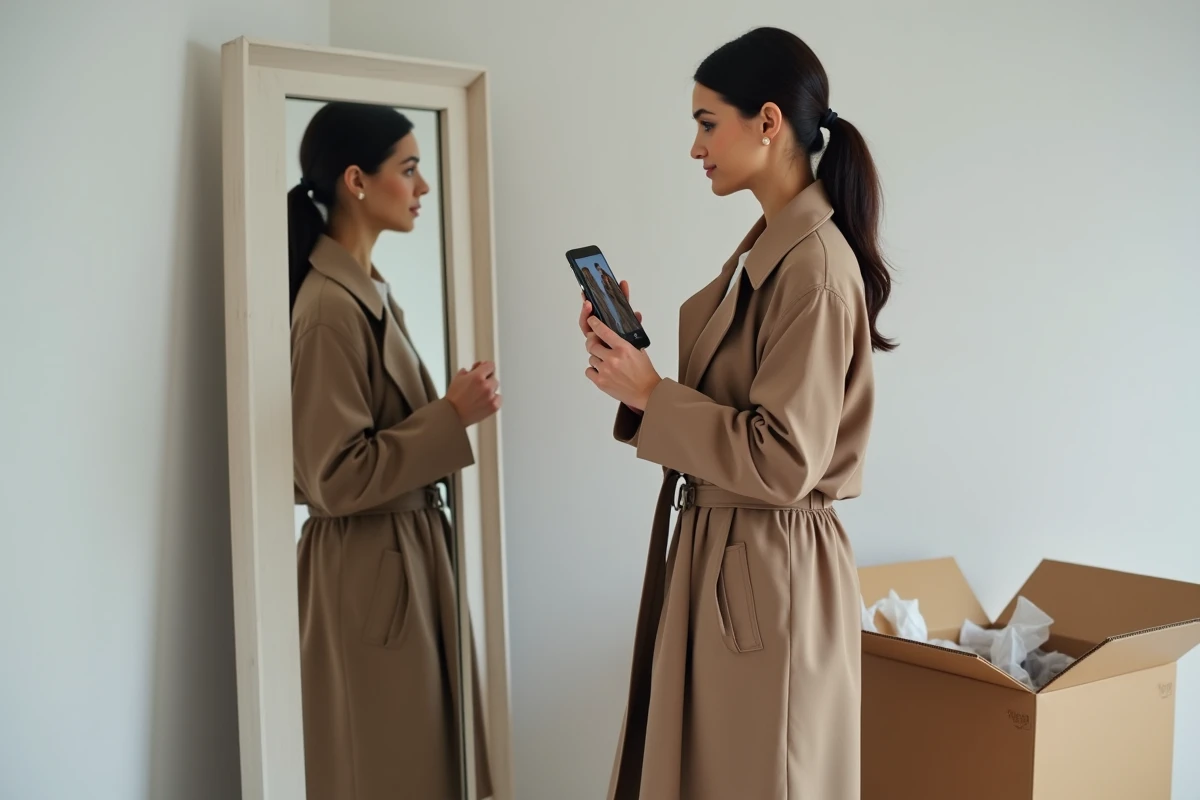
Shein includes a reverse image search function (camera icon in the search bar). Capturing a Zara piece in a screenshot and submitting it to Shein’s visual engine brings up visually similar items. Relevance varies based on the complexity of the pattern.
- Solid pieces or simple stripes yield precise results, as the algorithm detects dominant shapes and colors well
- Complex prints (floral, abstract) generate more noise, and often require combining visual search with manual filters
- Accessories (bags, belts) work particularly well in reverse search due to their distinctive shapes
Textile quality and compliance risks: what the product listing doesn’t say
A visually faithful dupe can disappoint when worn if the textile composition differs. Zara frequently uses polyester-viscose blends with a sufficient percentage of viscose to provide drape. On Shein, the majority of similar pieces are made of pure polyester, which alters fluidity and thermal comfort.
The Shein product listing indicates the composition but not the weight. A structured Zara blazer uses a fabric dense enough to hold the shoulder shape. Its Shein equivalent in lightweight polyester will tend to wrinkle and lose its structure after a few wears.
Intellectual property and customs seizures
Reports from the EUIPO indicate a significant increase in seizures of clothing and accessories suspected of counterfeiting in the fast fashion sector. A dupe that reproduces a registered pattern or a stylized logo can be held at customs, even if ordered for personal use.
The safest pieces to order are those that replicate a silhouette or cut without reproducing an identifiable graphic element. An oversized blazer is not a counterfeit, but a bag featuring a patented clasp might be.
The line between inspiration and copying remains blurry on these platforms. Ensuring that the desired piece does not reproduce any protected distinctive detail (specific buckle, signature embroidery, registered pattern) remains the most reliable precaution before finalizing an order.